How National Dance of USA Shaped Folk Traditions Over Time
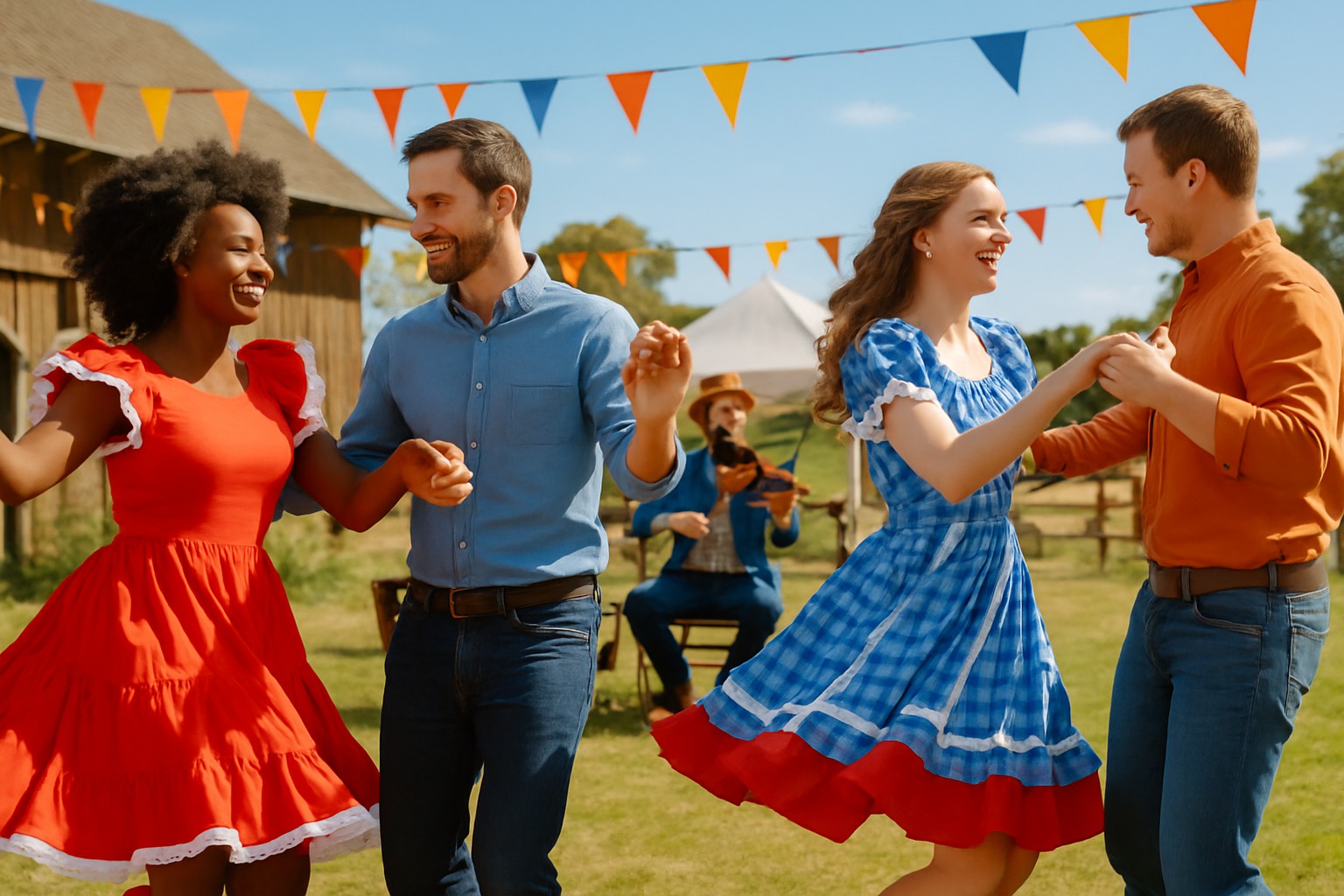
Square dancing is often hailed as the national dance of the USA and offers a fascinating glimpse into American folk traditions. It sprang to life from a mix of cultural influences including European settlers, Native American communities and African rhythms. Over the years this lively dance has evolved into much more than a pastime. It has become a cherished thread in the fabric of local identities. Along the way it has left its mark on regional folk music and has been a fantastic way to bring together communities from all walks of life.
Taking a Closer Look at the National Dance of the USA
Square dancing often gets the nod as the official folk dance of the USA when individuals chat about the country’s national dances. Now there is not any official federal proclamation crowning it "national dance" but square dancing has earned its stripes through tradition and widespread recognition.
- Square dancing earned its official spot as America's folk dance sometime in the mid-1900s and carved out a unique cultural niche.
- In 1982 the U.S. Congress made it official with a resolution that crowned square dancing as the nation's folk dance.
- This lively dance involves four couples arranged in a square. They move through a series of choreographed steps called out by a caller who keeps everyone on their toes.
- Unlike other American dance styles like tap or swing, square dancing leans into the spirit of community participation and togetherness. It is as much about the people as the moves.
The Historical Origins of the National Dance A Journey Through Time
Square dancing kicked off with early American settlers who carried over European traditions, which then happily mingled with Native American and African influences. This melting pot gave birth to a lively, social dance style that truly captured the country's growing diversity and adventurous spirit.
European immigrants brought lively styles like the English country dance, French quadrilles and Irish jigs that set the stage for early square dances to flourish.
African rhythms and call-and-response elements mingled with Native American social dances and added rich layers to the music while playing a big part in weaving tighter community bonds.
Back in colonial times and on the American frontier, square dancing didn’t just entertain. It evolved to fit settlers’ practical needs and quickly became a beloved highlight at social gatherings and celebrations.
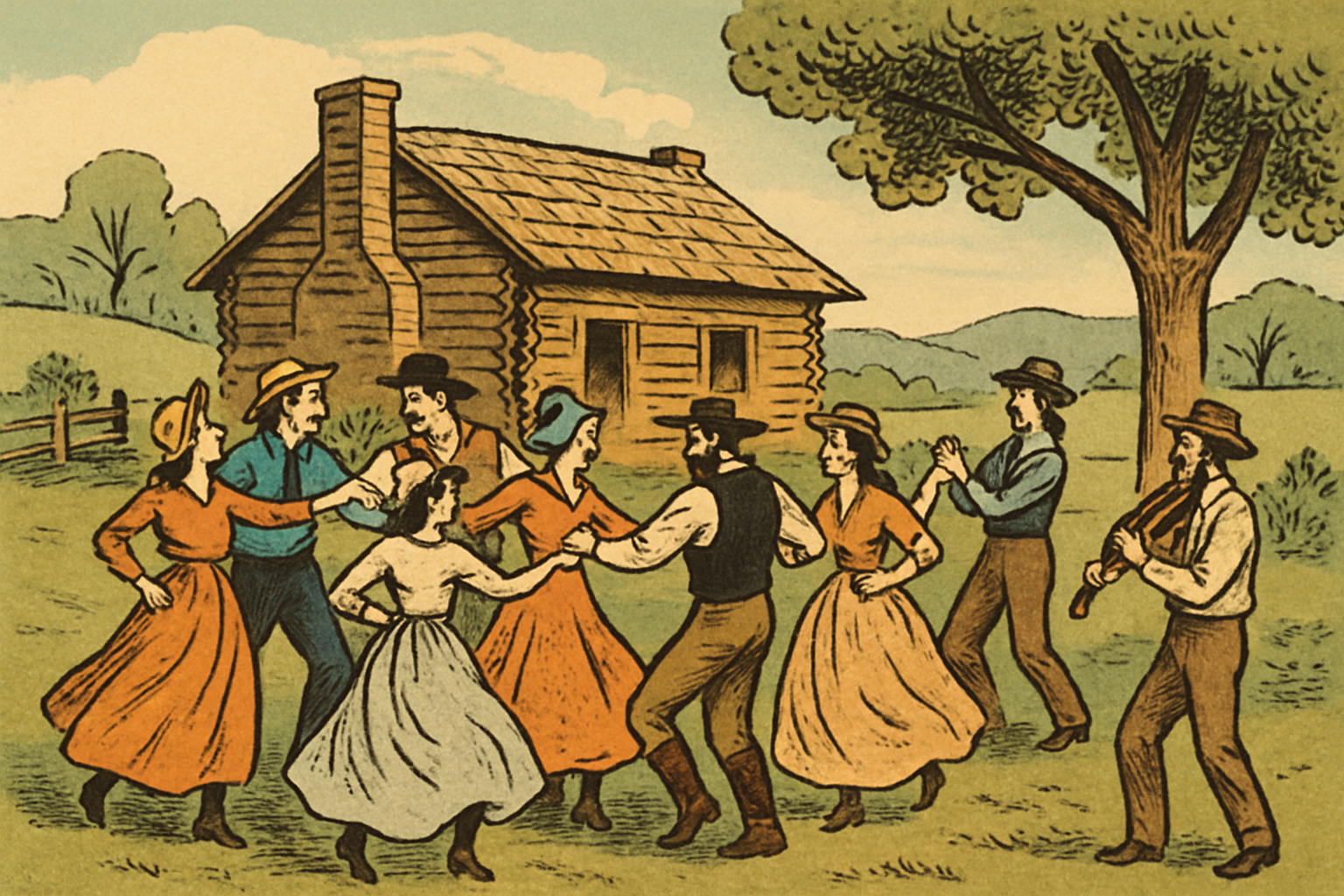
Historical depiction of settlers performing early forms of square dancing in America
The Impact of the National Dance on American Folk Traditions
Square dancing has quietly but surely played a key role in shaping the patchwork of regional folk traditions across the United States. It served as a sort of cultural glue that wove together local music styles and added a unique spark to community celebrations. It also fostered a sense of shared identity that bridged the gap between sleepy rural towns and lively urban centers.
- Square dancing events played a big part in bringing individuals together and encouraging inclusion and teamwork in small town communities. They also helped tighten the social fabric that holds them together.
- The dance quickly became the life of the party at festivals and public celebrations. It was almost always joined by lively folk music and storytelling that can hold a crowd spellbound.
- Regional folk music, especially the twangs and rhythms of country and bluegrass, often intertwined beautifully with square dancing beats.
- The efforts to keep square dancing alive didn’t just preserve a dance. They also kept a whole cultural heritage thriving by holding on to traditional tunes and calling styles that might have faded into history.
Regional Differences and the Subtle Ways They Shift Over Time
Different regions across the USA have put their own unique spin on square dancing and molded it to match their local customs and musical tastes and tight-knit communities.
| Region | Dance Variations | Music Influences | Community Role |
|---|---|---|---|
| South | Appalachian squares often paired with lively clogging | Bluegrass, country, and gospel tunes | Acts as the beating heart for lively social gatherings and timeless storytelling sessions |
| Midwest | Features more structured dances that lean on traditional call styles | Polka, jazz, and old-time melodies | A favorite pastime at fairs and cozy community halls where everyone knows your name |
| Northeast | Dances that weave in elements of contra dance | Celtic and English folk melodies | Often brings history to life through passionate reenactments |
| West | A spirited mix of western swing blended with ranch-style dancing | Western swing and honky tonk rhythms | Proudly shines at rodeos and western heritage festivals, keeping traditions alive |
How the National Dance Has Evolved Over the Years
The national dance has enjoyed a comeback fueled by dedicated clubs, lively dance camps and passionate cultural preservation efforts. It often blends seamlessly with other styles and carves out its own cozy niche in educational programs.
- Modern square dance organizations really roll up their sleeves to keep the dance alive, organizing everything from spirited competitions to lively social events all across the country.
- Influences from country and western dance styles have come together to create hybrid forms that seem to have a special knack for grabbing the attention of younger dancers.
- Schools and community centers often weave square dancing into physical education classes or sprinkling it into extracurricular programs, making it more accessible than ever.
- Television and social media have given the dance a fresh spark of interest, connecting dancers near and far in ways that would have seemed like magic not too long ago.
"Preserving square dancing is about a lot more than just knowing the steps. It’s really about keeping alive a meaningful cultural thread that ties communities together across generations, honoring our shared heritage while still rolling with the punches of change." – Dr. Linda Reynolds, Folklore Expert
Common Misunderstandings About the National Dance That People Often Get Wrong
The USA’s national dance often gets a bit misunderstood. Some individuals say the country doesn’t truly have a national dance to call its own.
- There isn’t an official national dance except for the formal nod to square dancing as a cherished folk tradition.
- Folk dances like square dancing bring people together much more than tap or swing which often focus on showmanship and performance flair.
- Regional dances shine with their own unique colors. A national dance usually captures a shared cultural thread everyone can nod along to.
The Ongoing Importance of the National Dance Why It Still Matters More Than Ever
The national dance sparks genuine pride in heritage, gently passing down cultural values while bringing people together in a way that feels both timeless and vibrant.